
Water Direction That Prevents Foundation Issues
Gutters in Central South Dakota for properties experiencing soil erosion, basement moisture, or water pooling near foundation walls
South Dakota's intense summer storms deliver concentrated rainfall that overwhelms inadequate gutter systems, causing water to cascade over edges and saturate soil directly against foundation walls. This concentrated runoff creates erosion channels, undermines foundation footings, and forces water through basement wall cracks during sustained rain events. Karsten Erikson Roofing and Construction installs custom seamless gutters designed to handle storm volume, direct water away from structures, and integrate with existing roofing systems to maintain complete exterior water management across Central South Dakota properties.
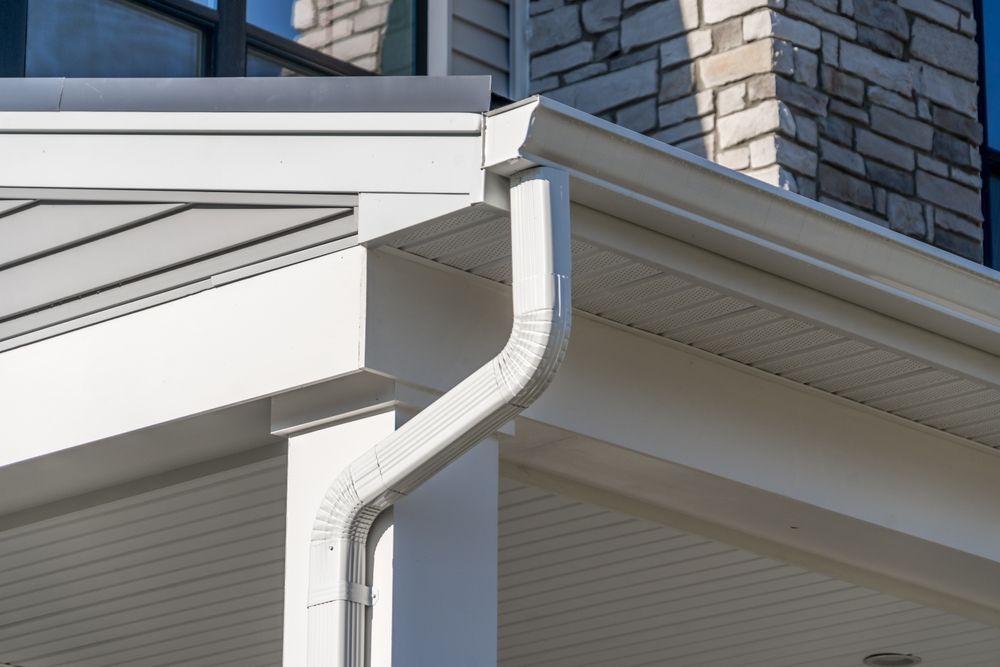
Seamless gutter fabrication eliminates joints along straight runs where leaks typically develop, using continuous aluminum formed on-site to match exact measurements. Proper installation requires slope calculation to maintain water flow toward downspouts without creating standing water sections that freeze during temperature swings and damage gutter seams. Downspout placement and extension length determine whether water discharges far enough from foundations to prevent soil saturation and basement infiltration.
Request a service quote to assess your property's drainage patterns and gutter capacity requirements.
How Gutter Systems Address Water Damage
Installation begins with fascia board inspection to verify structural integrity before mounting brackets that support gutter weight during water load and ice accumulation. Gutters are positioned to catch water sheeting off roof edges without gaps that allow bypass, and hangers are spaced to prevent sagging under debris weight or ice formation. Downspouts connect at low points calculated during slope layout, with extensions directing discharge onto splash blocks or into underground drain lines that carry water beyond landscaping and foundation zones.
After gutter installation, you notice elimination of soil erosion channels that previously formed below roof edges during storms, absence of water staining on foundation walls where runoff concentrated, and dry basement conditions during heavy rain that previously caused seepage through floor-wall joints. Landscaping near the house remains intact without washout damage, exterior paint on lower siding stops showing water splash patterns, and foundation settling issues stop progressing once consistent moisture levels stabilize around footings.
Gutter guards reduce maintenance by blocking leaf accumulation while allowing water entry, though pine needles and asphalt granules from roof shingles still require periodic cleaning. Systems handling water from large roof sections or metal roofing with fast runoff rates require wider gutter profiles or additional downspouts to prevent overflow during peak storm intensity.
Answers to Frequent Service Questions
Gutter installation and maintenance decisions involve understanding capacity requirements, material options, and integration with broader property drainage systems.
What gutter size handles South Dakota storm intensity?
Five-inch gutters with three-by-four-inch downspouts manage most residential roof areas, but properties with steep roof pitches or large unbroken roof sections require six-inch gutters to handle concentrated water volume during intense summer thunderstorms. Undersized systems overflow at peaks even when clean, causing the same damage they're meant to prevent.
How do seamless gutters differ from sectional systems?
Seamless gutters eliminate joints along straight runs where sections connect—these joints develop leaks as sealant deteriorates and thermal expansion causes separation. Corners and downspout connections still require sealed joints, but reducing seam count by seventy percent significantly decreases long-term leak probability and maintenance frequency.
When should existing gutters be replaced rather than repaired?
Replacement becomes necessary when gutters show separation from fascia, multiple leak points along seams, or visible rust perforation on steel systems. Sagging sections indicate hanger failure or fascia rot requiring structural repair before new gutters install, and systems undersized for roof area need capacity upgrades regardless of condition.
What maintenance do gutters require in Central South Dakota?
Cleaning twice annually removes leaf debris and sediment that blocks water flow and adds weight causing sag—schedule cleaning after autumn leaf drop and again in late spring after cottonwood seed release. Winter inspection identifies ice dam formation indicating inadequate attic ventilation or insulation issues that need addressing to prevent seasonal gutter damage.
How should downspouts discharge to protect foundations?
Extensions must carry water at least six feet from foundation walls onto grading that slopes away from the structure, preventing soil saturation that creates hydrostatic pressure against basement walls. Underground drain lines work effectively if they outlet onto daylight slopes or into dry wells rather than staying buried near foundations where they concentrate water during blockages.
Karsten Erikson Roofing and Construction evaluates complete property drainage including roof area, soil conditions, and foundation vulnerability to design gutter systems that integrate with overall water management. Contact us for assessment and custom seamless gutter fabrication tailored to your home's specific requirements.