Clear Views Without Temperature Transfer
Windows in Central South Dakota for properties with drafty frames, condensation buildup, or fading interior finishes from UV exposure
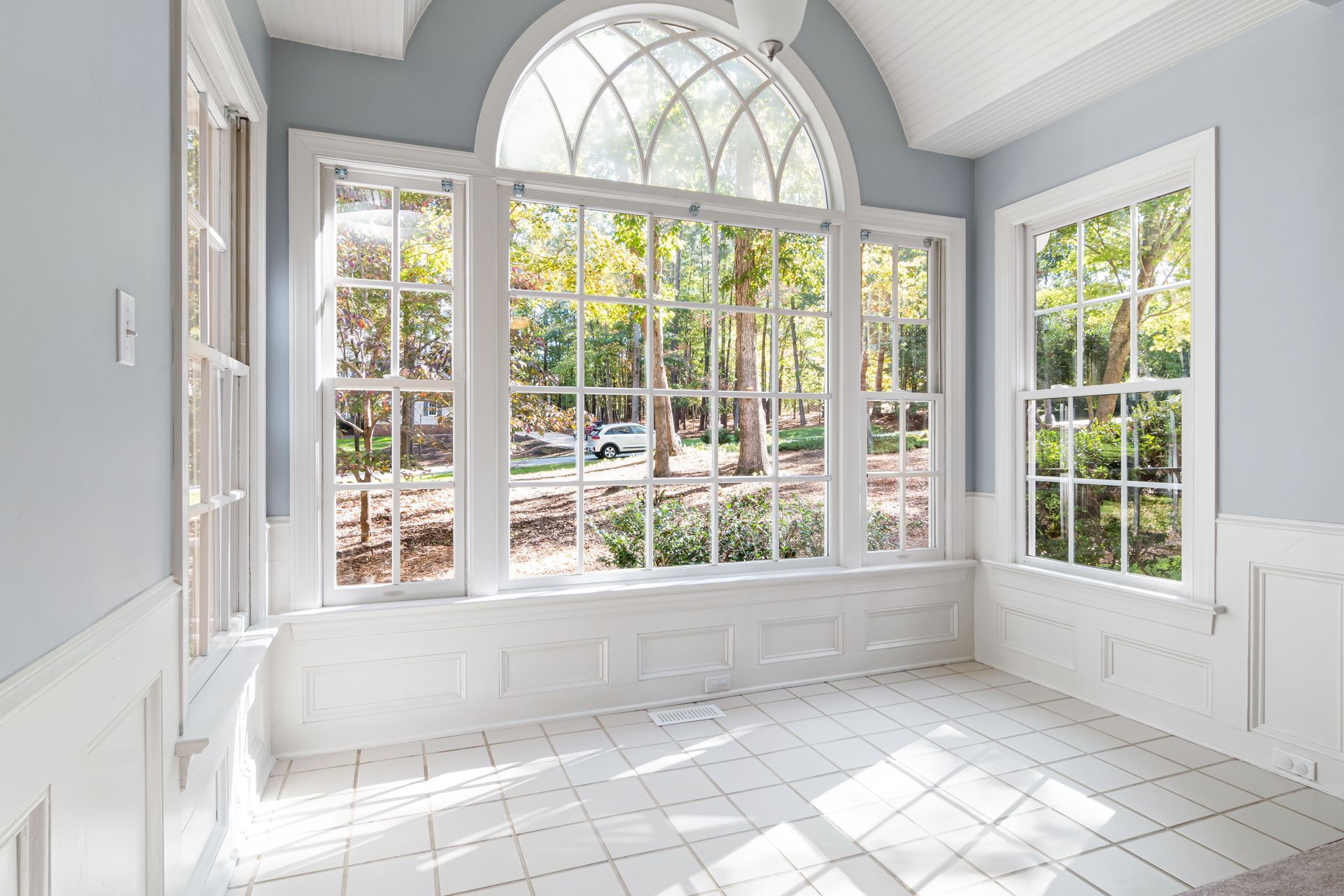
Drafts around window frames during wind events, interior condensation forming on glass during overnight temperature drops, and uneven room temperatures near exterior walls indicate window performance issues common in Central South Dakota homes. Karsten Erikson Roofing and Construction installs and replaces windows using custom-fit techniques developed across twenty-five years of construction experience in prairie climate conditions. Window replacement eliminates air leakage that causes heating systems to run continuously, reduces exterior noise transmission during storms, and stops UV penetration that fades flooring and furniture near south-facing glass.
Window performance depends on glass coating technology, frame material thermal properties, and installation accuracy—gaps as small as one-eighth inch around rough openings allow significant air infiltration that negates energy-efficient glass benefits. Multi-pane systems with low-emissivity coatings reduce radiant heat transfer while maintaining visible light transmission, and argon gas fills between panes add insulation value that decreases interior surface temperature differential during subzero weather.
Arrange an on-site consultation to measure existing openings and evaluate framing conditions that affect window options.
What Window Replacement Actually Accomplishes
Replacement begins with removing interior trim and exterior casing to access rough opening dimensions and framing condition. Openings are squared and shimmed to manufacturer specifications before window units are set, ensuring sashes operate smoothly without binding and locks engage properly under frame compression. Insulating foam fills gaps between window frames and rough openings, then gets trimmed flush before interior and exterior trim installation completes weather sealing.
Once installation finishes, you notice elimination of cold air currents previously felt when standing near windows during windy conditions, absence of frost patterns that formed on interior glass surfaces during extreme cold, and reduced outdoor noise penetration during storms. Glass surfaces feel warmer to touch during winter months, condensation no longer forms on frames during overnight temperature swings, and rooms maintain consistent temperatures without cold zones near exterior walls. Interior finishes near windows stop showing accelerated fading from UV exposure that previously required furniture repositioning.
Energy efficiency ratings reflect combined performance of glass coatings, frame materials, and gas fills between panes—U-factor measures heat transfer rate while Solar Heat Gain Coefficient indicates how much solar radiation passes through glass. Lower U-factors provide better insulation, and SHGC values between point-two and point-four balance heat gain in winter against cooling load in summer for South Dakota's climate.
Common Questions About This Service
Window replacement decisions involve understanding performance specifications, installation requirements, and long-term maintenance under regional weather conditions.
How do window ratings affect heating costs in Central South Dakota?
U-factor below point-three significantly reduces heat loss through glass during prolonged subzero periods common in prairie winters. A home with ten windows replacing single-pane units rated point-nine with double-pane low-e windows rated point-two-eight typically sees fifteen to twenty percent reduction in heating fuel consumption during December through February.
What causes condensation on new windows?
Interior humidity above forty percent during cold weather causes condensation when glass temperature drops below dew point, indicating the home needs ventilation improvement rather than window defects. Condensation forming between glass panes indicates seal failure requiring warranty replacement.
When should window replacement happen instead of repair?
Replacement becomes necessary when frames show rot or structural damage, when glass seals fail causing interior fogging, or when existing windows lack modern insulation technology causing unacceptable energy loss. Operational issues like broken sash cords or worn weatherstripping can be repaired if frames remain structurally sound and glass seals function properly.
What window styles work best for wind resistance?
Casement windows with compression seals resist air infiltration better than sliding windows during high wind events, and fixed panes eliminate operational gaps entirely. Installation quality affects performance more than style—proper shimming and sealing prevent frame flex that breaks weatherstrip contact during pressure changes.
How long does professional window installation take?
Individual window replacement typically requires two to three hours including trim removal, installation, insulation, and trim reinstallation. Whole-house projects spread across multiple days to maintain home security and weather protection, with interior work scheduled to minimize disruption and dust control maintained throughout occupied spaces.
Karsten Erikson Roofing and Construction offers free project estimates that include energy savings projections based on current window conditions and proposed replacement specifications. Call to discuss custom fit options and installation scheduling for your property.